Kawabata Ryūshi
Kawabata Ryūshi
2 Karya
[show full text +]
[hide text -]
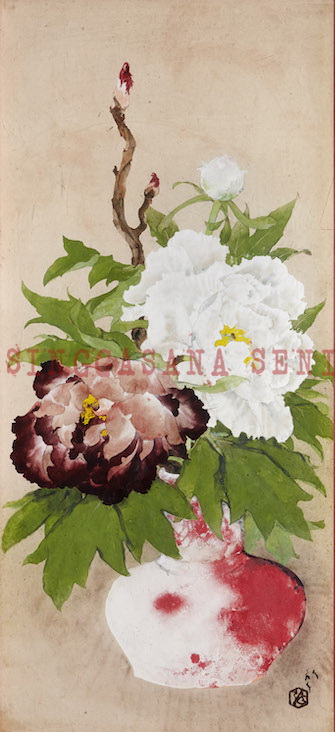
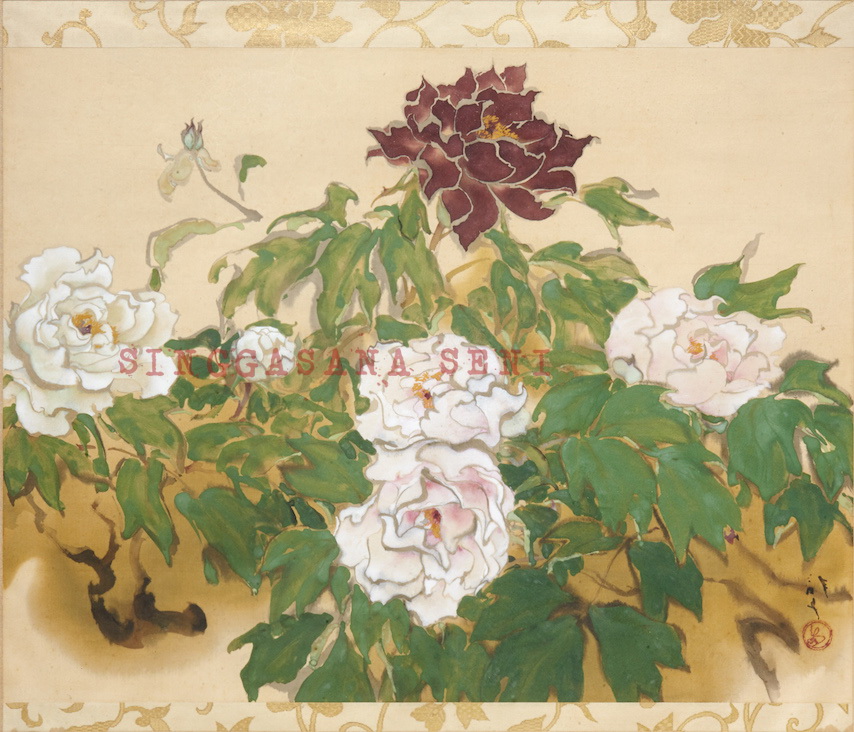
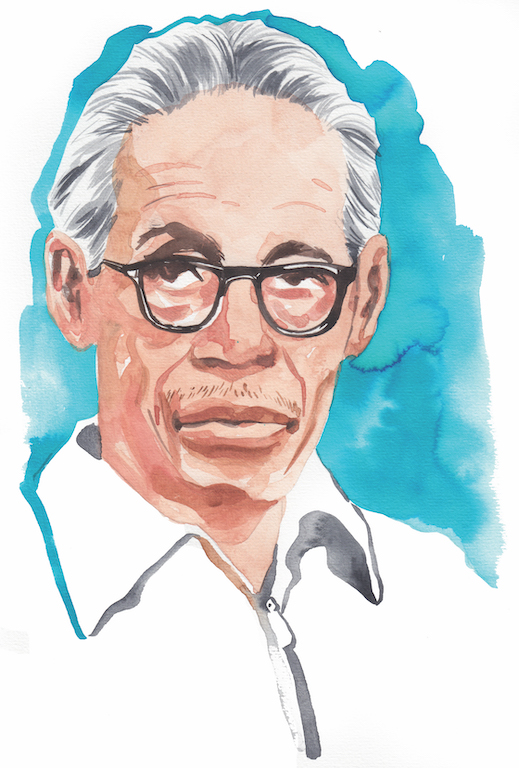
He was born in Wakayama city in Wakayama Prefecture. He moved to Tokyo in 1895. Initially interested in literature, he studied under the poet Kawabata Hoja, who introduced him to the Hototogisu artistic circle. He then became interested in painting instead, and studied yōga painting techniques as an apprentice in the studios of the Hakubakai. When he was 18, he entered a Yomiuri Shimbun illustration contest, from which his work was selected. He continued working on newspaper illustrations to earn a living as he studied oil painting. In 1913, he traveled to the United States to study western-style painting techniques in more depth, but was so impressed with the Japanese art that he saw during a visit to the Boston Museum of Fine Arts that he switched to the Nihonga genre on his return to Japan in 1914, displaying at the Inten Exhibition in 1915. He left Inten in 1928 in protest of its increasing rigid rules, and established his own Nihonga art circle, the Seiryusha in 1928. The Seiryusha held an exhibition on competition to the Inten twice a year from 1929 to 1965 in Tokyo. In addition, Ryūshi usually held a personal exhibition in Osaka once per year.
Ryūshi was a major advocate of Art for the Exhibition Place (会場芸術 kaijo geijutsu), which emphasized the public nature of art. His works therefore tended to be on a huge scale, and were intended for public display in large areas.
After World War II, together with Yokoyama Taikan and Kawai Gyokudō, he came to be regarded as one the "Three Big Figures" in the field of Nihonga painting.
Sumber :
Sumber :