Roland Strasser
Roland Strasser
10 Karya
[show full text +]
[hide text -]
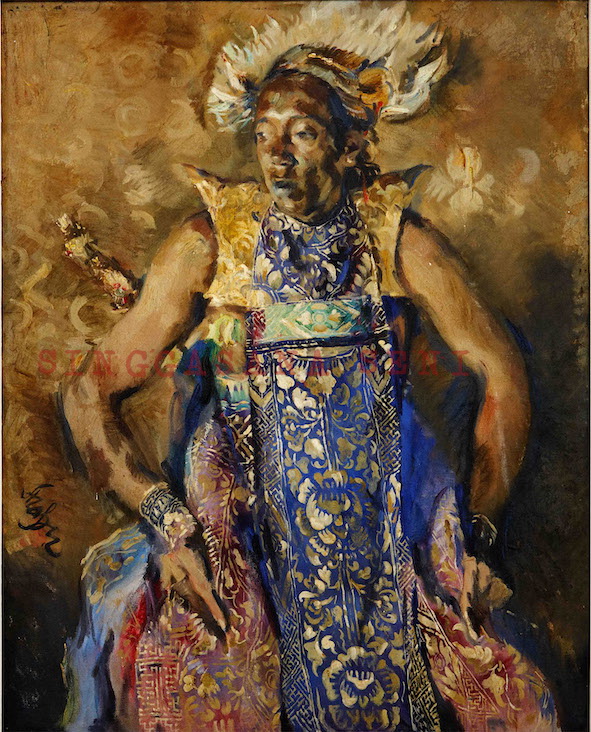
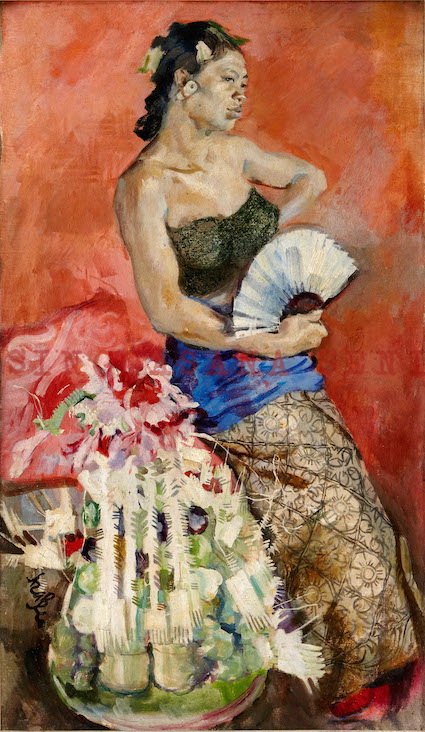
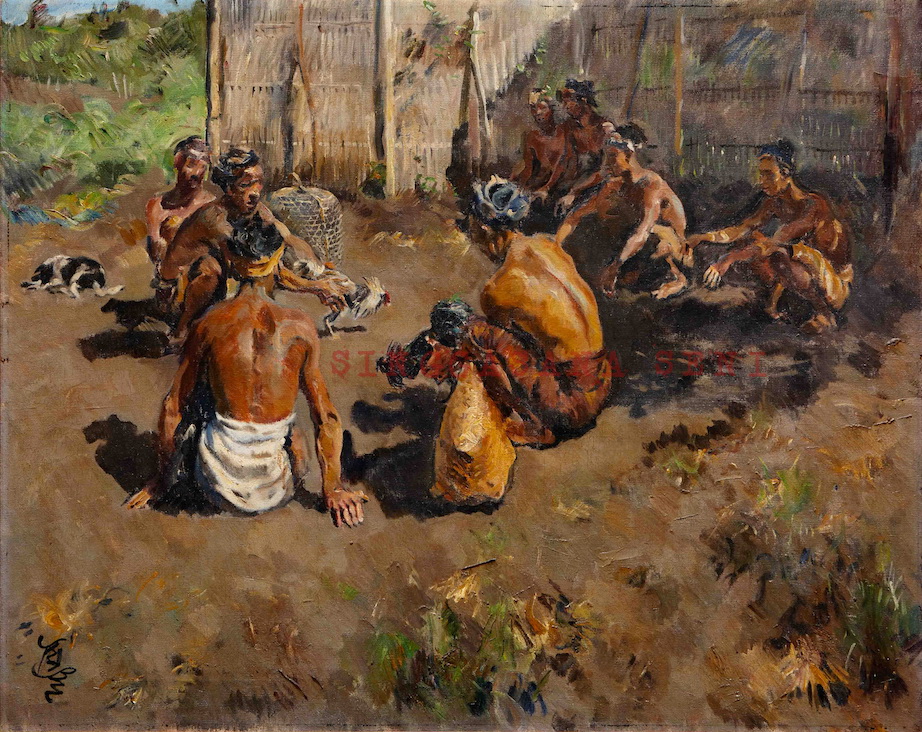
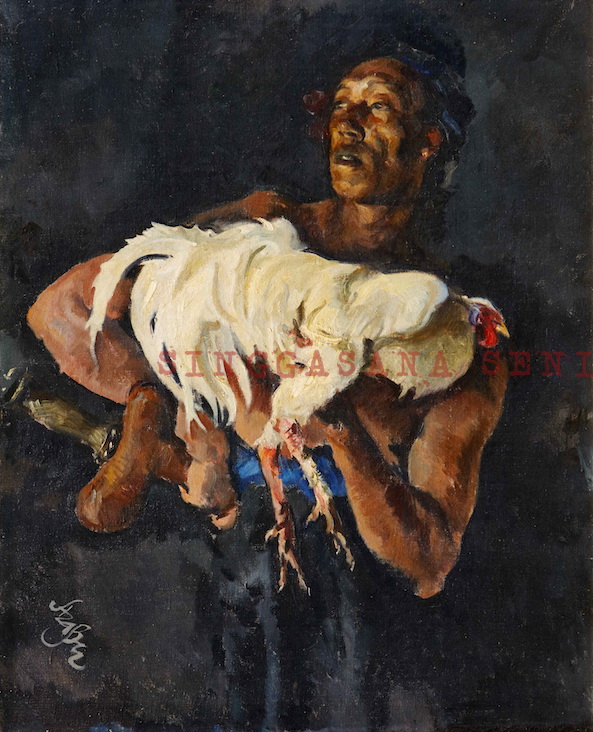
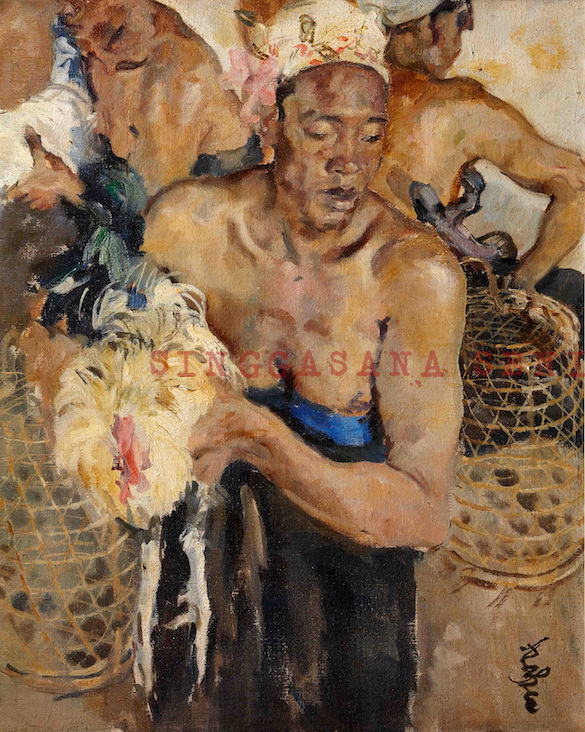
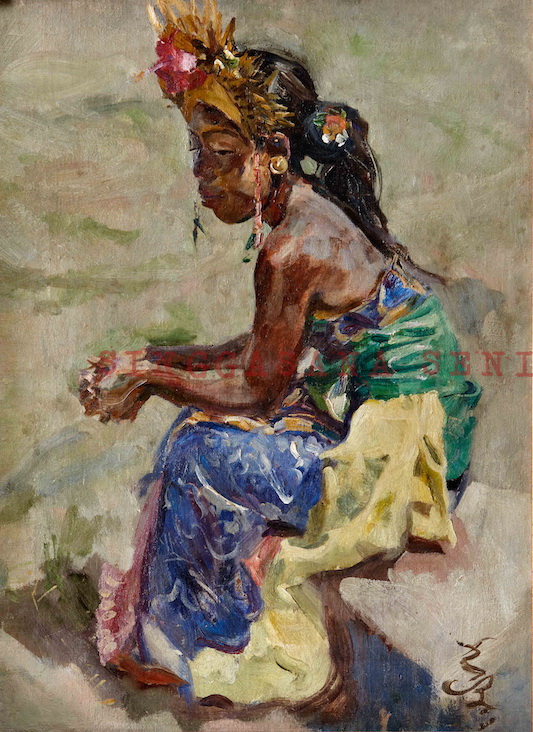
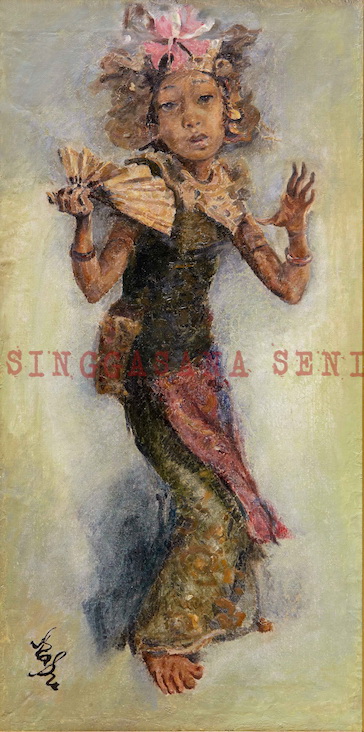
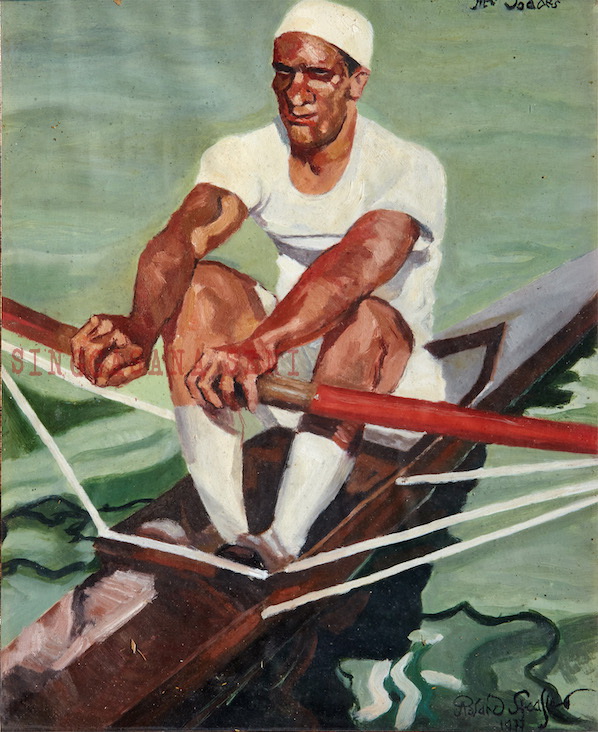
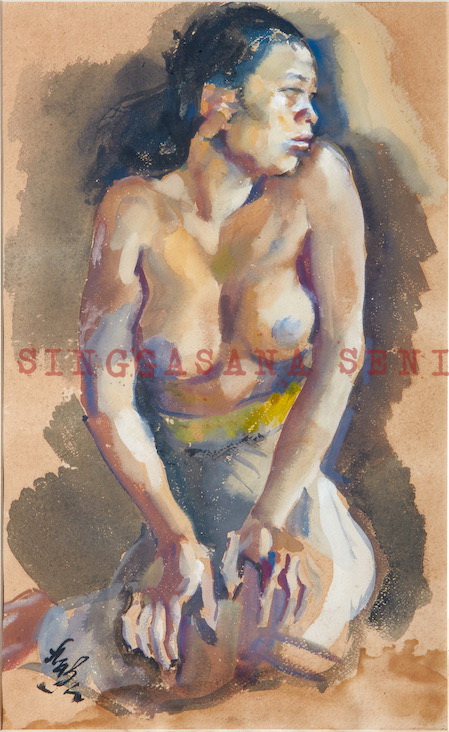
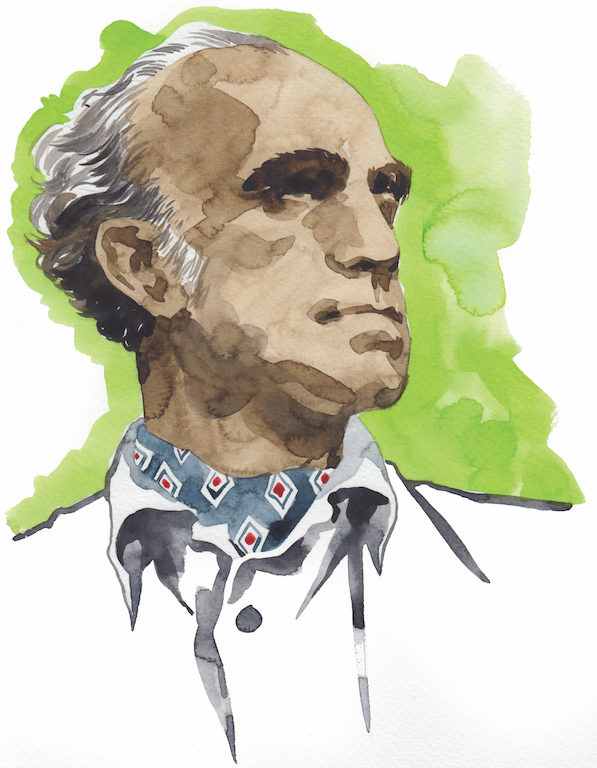
Roland Strasser, an Austrian painter of Basque descent, was born in Vienna in 1895. He was one of the great painter/adventurers of the early 20th century, and one of the last Orientalist romantics. His energetic paintings and drawings captured and portrayed the lives of subjects from regions and cultures still considered “exotic” by European viewers of the era. Once described by an admirer as “a strange, restless painter, who disappears for years…” Strasser was known for painting subjects that were difficult or even dangerous to paint.
Strasser first studied art with his father – whose family name was Quiriqez — a member of the Viennese Sucession movement who taught at the Academy of Fine Arts and was known for his small scale polychrome ceramic sculptures and also for a bronze of Marc Antony that he created for the 1900 Paris World Exhibition. Strasser’s older brother Benjamin was also a painter and graphic artist. At the age of 17, after completing his studies at a Realschule, Roland Strasser accompanied his father on a trip to Egypt.
Strasser next studied with Rudolf Jettmar and Julius Schmidt at the Vienna Academy of Fine Arts between 1911 and 1915. He was then assigned as war artist for the Imperial War Press. Roland then briefly worked as a lithographer and illustrator. In 1919 he traveled to Holland where painted at Volendam and earned enough money selling paintings to be able to travel the following year.
In 1920 Strasser traveled first to Siam (Thailand), then Java (Indonesia) and finally New Guinea. Along with another adventurer – whose intention was to shoot exotic birds – Strasser journeyed to the remote and forbidding interior of New Guinea. After being abandoned by his companion he spent four months in a Papuan village. He eventually made his way back to Java, but all of his drawings were lost. He then spent eighteen months at Bali where he met Willem Dooyewaard, a Dutch artist, who became his student and frequent travel companion.
Sumber :
Sumber :